First laboratory period of the semester
PCBs in the Alaskan Frontier Case Study
Students learn about the scientific method during the first week of General Chemistry 1. After a brief lecture where students learn the basics, they participate in a case study titled PCBs in the Alaskan Frontier published by the National Science Teaching Association. Students apply the scientific method to a real-world issue, learn how contaminants can travel long distances without humans, articulate how contamination can spread from water to the food chain, and solve the mystery of how PCBs ended up in remote areas of Alaska.
Opens to students during first week of class but due at the end of the third week.
Reliable Sources, Data Validity, and How to Read a Scientific Article
Students need to know how to navigate our information saturated world. As Abraham Lincoln once said, “You can’t believe everything you read on the internet.”
Students are provided tools and resources to help them distinguish between reliable and unreliable sources of information. They also learn how to think critically of the data they find. I provide students with some reliable open-source resources to conduct scientific literature research. Finally, students learn how to read a scientific article.
Students complete a short multiple-choice assignment to test their understanding of the content covered and then they read and evaluate an article on drinking water quality to determine it’s reliability. When I taught this in the fall of 2024, students read How do you like your tap water? published in the February 2016 edition of Science Magazine. I encourage faculty to update this article periodically to encourage students to engage with recent literature on drinking water quality.
This is foundational content in my General Chemistry courses. Students will use the skills they develop in this lesson throughout General Chemistry 1 and 2.
Due fifth Week of Class
Flint Water Crisis Case Study
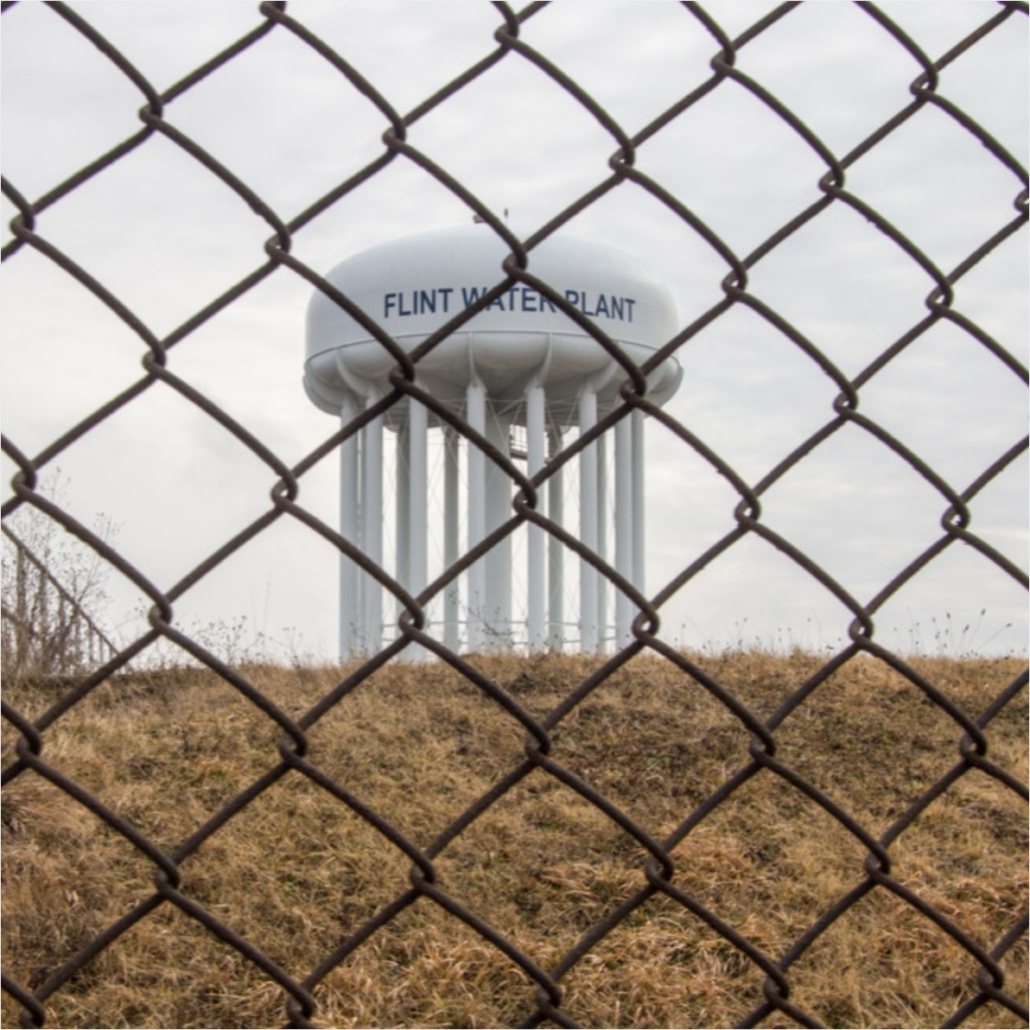
After students learn how to complete chemical reactions in lecture, we discuss the water crisis that occurred in Flint, Michigan from 2014 to approximately 2025. The Flint Water Crisis published by the National Science Teaching Association is an interrupted case study that applies what students have learned about chemical reactions to the chemistry behind the Flint Water Crisis. I complete this case study during lab because of time constraints in lecture. This case study was published in 2017. I encourage faculty to use this case study as a starting point to develop what they present to their students. While the information provided in this case study is sound, it is also incomplete. Take the time to update the timeline and incorporate in some additional information about this incident.
At the end of the case study, I provide each student with a 500mL clean and unused HPDE bottle for collecting a water sample from their home. I then spend a few minutes explaining how to collect their sample and the next week’s lab, where we will test their drinking water.
The week of lab after the Flint Water Crisis Case Study
Drinking Water Lab Testing
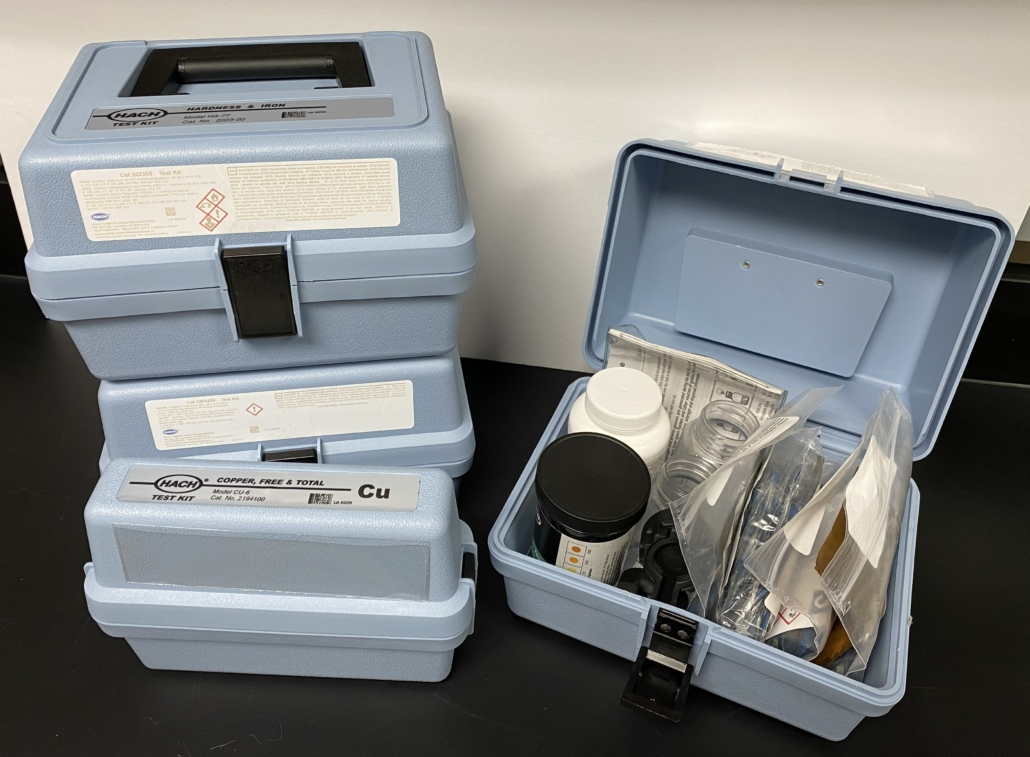
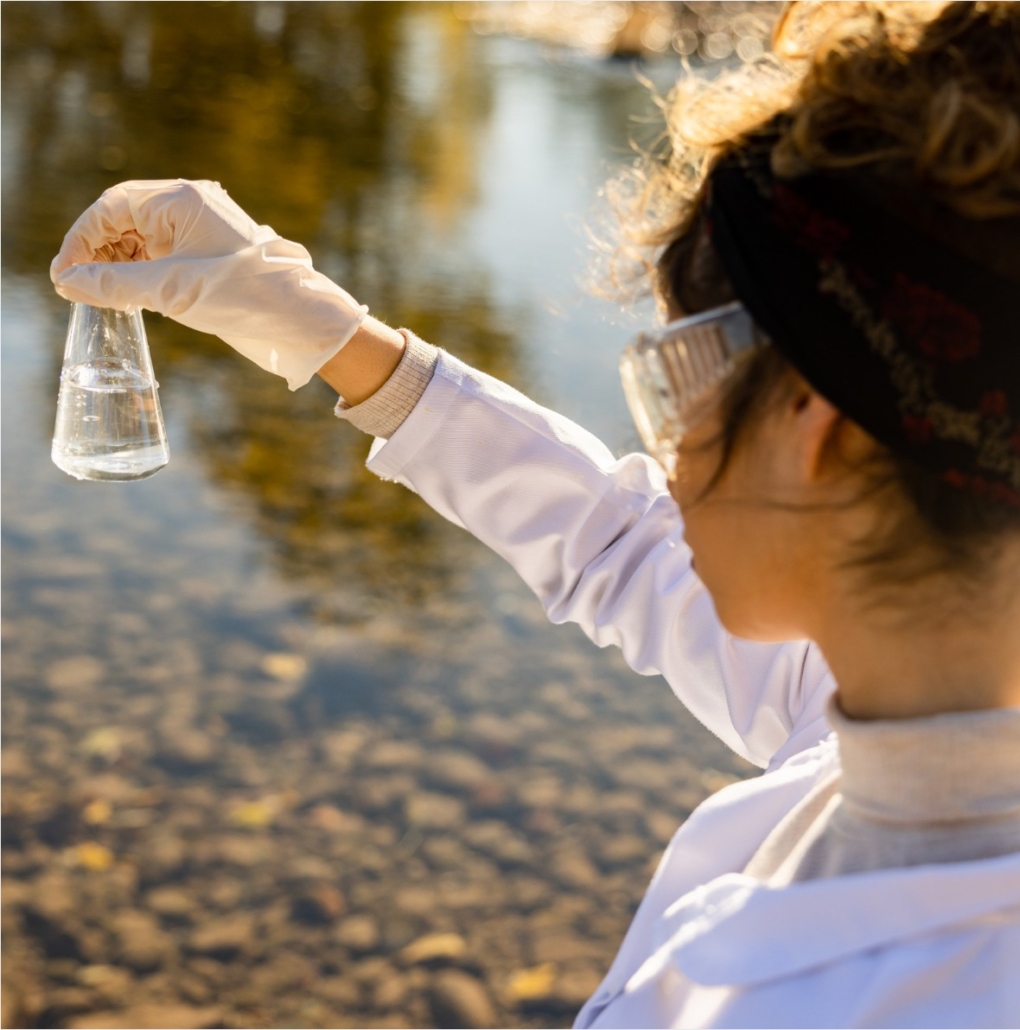
Students follow the experimental procedure to collect and test their water samples using HACH kits. This takes approximately one 3-hour lab period. On occasion, some groups still need to complete their arsenic test during the next week of lab. Below is a complete list of the HACH kits used in this experiment and a link to the experimental procedure.
HACH Kits Used
- HACH Arsenic Test Kit
- HACH Chlorine, Free and Total Test Kit
- HACH Copper, Free and Total Test Kit
- HACH Hardness and Iron Test Kit
We also use a Total Dissolved Solids meter. This provides a more accurate and faster result than having students boil a sample of their water dry and measure the mass of the solids remaining.
A link to the experimental procedure for this lab is available here.
Due about 3 weeks after Flint Water Crisis Case Study
Water Quality Assignment #2: Was Flint An Isolated Incident?
Students use what they learned during the Flint Water Crisis case study and the reliable sources assignment completed earlier in the semester to do their own research.
Students conduct research to determine if what happened in Flint was an isolated incident or if issues with drinking water quality have occurred elsewhere in the US. Students explain in a short paper where the impact occurred, who was impacted, the extent of the impact, who caused the impact, what actions were taken to correct the situation, and create a timeline of events that lead to the impact and any actions to address the impact.
Due about 3 weeks after the drinking water lab testing
Evaluation of Drinking Water Lab Report
Students should have written and received feedback on at least one lab report before reporting on the findings from their drinking water lab. I provide them with guidelines on how to write a lab report and include additional information for writing this lab report at the end of the experimental procedure. Students will need to link what the learned in Water Quality Assignment #1 with their experimental data. Emphasize to students that this is their research and they are presenting their research to others, referencing the “last step” in the scientific method. You can also ask students to present their research to the class or post it to a class discussion board for all to read to simulate how scientists share their data.
Due during last week or two of class
Water Quality Reflection Assignment
At the end of the semester, students complete a reflection on what they learned during the semester. I provide students questions that direct them to reflect on what surprised them about what they learned, how they can contribute to improving and maintaining drinking water quality, the role of the EPA and the Clean Water Act on water quality, and how their understanding of the application of chemistry to water quality has changed.
Student Data and Feedback
Students scores averaged between 82% and 94% on the assignments outlined above. The most valuable feedback I received from students was on the end of semester survey. Students were asked about their experience with this project. Below is a summary of some of this feedback collected from fall 2022 to fall 2024. Note that I updated the survey over time, so some of the questions have a different number of student responses. I noted this with the data summarized below.
- 92.6% of students surveyed said it’s valuable to know how our drinking water is processed and about the water infrastructure in their homes. (n=27)
- 92.6% of students surveyed said the assignments helped them effectively learn about drinking water issues int he US. (n=27)
- 91.2% of students surveyed said they are better equipped to conduct research and identify reliable sources because of this project. (n=57)
- 92.7% of students surveyed said that applying chemistry concepts to water quality helped them better understand those concepts. (n-=57)
- 91.2% of students surveyed said the water quality experiment made the application of chemistry in water quality assessment clearer. (n=57)
- 91.2% of students surveyed said this project should be offered in future semesters. (n=57)
During the Fall 2024 semester, I incorporated an assignment that encouraged students to reflect on their learning and the larger implications of water quality in their lives. Below are some of the students comments from this assignment.
One important thing that surprised me was how the pipes looked that transport water looked. They looked unsanitary but they are completely safe, and the chemistry behind it is interesting.
I understand more now; why they need to add some chemicals, and it isn’t just pumping chlorine into the water to kill bacteria. There are a lot more steps and chemical reactions taking place. I hadn’t given it much thought before, at all.
The application of chemistry to this subject has really emphasized the fact that chemistry is everywhere and has a huge effect on us. The chemical reactions that take place determine if our water helps or hurts us and if we don’t pay attention to when contaminants enter our water, we can face major health concerns and other issues.
One thing that surprised me about what we learned about drinking water was just how many factors can all be working together to impact the quality of the water. In the case of the Flint Water Crisis multiple different reactions had to occur to end up releasing the lead and iron into the water. From the initial failing to treat the new water with phosphate ions which in turn broke down the passivation layer, then to the exposed pipes undergoing oxidation with chlorine and oxygen which released the iron and lead, it was just a snowball effect. I think that just the fact that so many smaller things can all work together and bring about such a disaster is very telling and shows us why the little things are important to check in on and make sure they are as they should be.
The topic of water quality made me realize how important it is to be educated. I feel selfish for previously not knowing any information about where I get my water. I use water every day, and I didn’t even know what was in my water or where my water came from.
Since doing this lab [Evaluation of Drinking Water Quality], I have found myself more open minded to water quality and what goes into cleaning water. I was able to learn a lot from that lab and the report/project that went with it. I found water quality and water quality issues to be interesting and much easier to learn about than some of the other topics throughout the course.
Instructor Learning
I started this project in 2019 and developed, and revised it over the years. During this time I learned what worked and didn’t work with this project. Below is a summary of some key learnings.
- Originally, students completed smaller assignments throughout the semester and then a large final submission at the end of the class on their project. This ended up being a lot of regurgitation of what students reported in the smaller assignments, which seemed pointless. Rather than require a large final report, I shifted to students writing a larger lab report over the Evaluation of Drinking Water experiment. This allowed students to focus on scientific reporting rather than a repetitive final report.
- During the fall 2022 and 2023 semester, I had students complete a series of discussion boards and then review each other’s posts and learn from their classmates. This didn’t work as I hoped. End of semester survey results indicated that students weren’t learning from their peers and incorporating that learning into their final project. Only 56.7% of students agreed that the discussion board students to share resources helped them more easily complete this project and 43.7% of students stated they used resources other students shared on the discussion board to complete their final project. As a result, I stopped having students share resources they found on discussion boards.
- In fall 2024, I added research about the age of the water infrastructure leading into the student’s home and the types water pipes present in the home. I also required students to access the water quality report from their water supplier as a part of this assignment, allowing students to see what type of testing is done by their municipality before the Evaluation of Drinking Water.
- I regularly update the end of semester survey to better evaluate the water quality project and provide directions for improvement. In fall 2024, I added to new questions to the end of semester survey regarding the water quality project. I wanted to assess if the assignments I provided where helpful to learning about water quality and if the students through this work was valuable. These questions are provided below:
- The assignments helped students effectively learn about drinking water quality issues in the US. (92.6% of students agreed, n=27)
- I think it’s valuable to know how our drinking water is processes and about the water infrastructure in my home. (92.6% of students agreed, n=27)
Future Directions
This project is continuously evolving and improving. Below are changes I plan to implement in the future:
- Students create a 1-page proposal, outlining what tests they think we should conduct on their drinking water sample and including their reasoning for each test.
- Find a way for students to test for lead. This requires the use of Beer’s Law, a concept that isn’t covered until General Chemistry 2.
- Provide students with real-world data from a water quality issue and ask them to analyze the data and draw conclusions/discuss impact to human health as a result of the data.
- Create small groups where students peer review their classmate’s lab reports as a part of a larger lesson on the peer review process.
References
Bixby, T.J., Miliauskas, M.M. (2022). Assessment of the Short-Term Outcomes of a Semester-Long CURE in General Chemistry Lab. Journal of Chemical Education, 99(12), 3849–3857 https://doi.org/10.1021/acs.jchemed.2c00384
Buchanan, A.J., Fisher, G.R. (2022). Current Status and Implementaion of Science Practicies in Course-Based Undergraduate Research Experiences (CUREs): A Systemic Literature Review. CBE-Live Sciences Education, 21(4). https://doi.org/10.1187/cbe.22-04-0069
Dolan, E. L., & Weaver, G. C. (2021). A Guide To Course-Based Undergraduate Research. Macmillan Learning.
Miller, D.M., Natale, A., McAnutly, T.K., Swope, R.D., McNaughton, E.A., Beckett, A., Snoke, H.E., Schmidt, A,M,. Alumasa, J.N., and Xiong, S. (2022). The Design and Implementation of an Interdisciplinary CURE as an Alternative Option for the General Chemistry Laboratory. Journal of Chemical Education, 99(7), 2530-2540. https://doi.org/10.1021/acs.jchemed.1c01179
Provost, J.J. (2022) Developing Course Undergraduate Research Experiences (CUREs) in Chemistry. Journal of Chemical Education, 99(12), 3842–3848. https://doi.org/10.1021/acs.jchemed.2c00390
Rabin, R. (2008). The lead industry and lead water pipes “A modest campaign.” American Journal of Public Health, 98(9), 1584–1592. https://doi.org/10.2105/AJPH.2007.113555
Rosario-Ortiz, F., Rose, J., Speight, V., von Gunten, U., & Schnoor, J. (2016). How do you like your tap water? Science, 351(6276), 912–914. https://doi.org/10.1126/science.aaf0953
Schnoor, J.L. (2016). Recognizing Drinking Water Pipes as Community Health Hazards. Journal of Chemical Education, 93(4), 581-582. https://doi.org/10.1021/acs.jchemed.6b00218
Terry, T. J. (2017). The Flint water crisis: An introduction to chemical reactions. National Science Teaching Association. https://www.nsta.org/ncss-case-study/flint-water-crisis
Tessmer, M. (2005). PCBs in the last frontier: A case study on the scientific method. National Science Teaching Association. https://www.nsta.org/ncss-case-study/pcbs-last-frontier
Watts, F.M., Spencer, J.L., and Shultz, G. V. (2021). Writing Assignments to Support the Learning Goals of a Cure. Journal of Chemical Education, 98(2), 510–514. https://doi.org/10.1021/acs.jchemed.0c00915
The Chemistry of Clean Water: Researching Water Quality in General Chemistry 1 © 2026 by Catherine Haslag.
Posted July 17, 2026. Updated July 20, 2026.